The Forgotten Olympic Exhibition: Georg Alexander Mathéy’s Contribution to the 1936 Summer Olympics in Berlin.
Posted: August 2, 2022 Filed under: Archival Research, Art History, Biography, Exhibits, History of Archaeology, Modern Greek History, Philhellenism | Tags: Georg Alexander Mathéy, Polyxene Roussopoulos Mathéy, Walter Hege 3 CommentsBY ALEXANDRA KANKELEIT
Alexandra Kankeleit is a German-Greek archaeologist and historian. She has been researching German archaeology in Greece during the Nazi period for several years. Since July 2021 she has been working for the CeMoG (Centrum Modernes Griechenland) at the Freie Universität Berlin, where she will teach a seminar on the 1936 Summer Olympics in the upcoming winter semester. Here she contributes an essay about the German artist Georg Alexander Mathéy (1884-1968), who lived in Greece in the 1930s and whose work was displayed in the Summer Olympics of 1936.
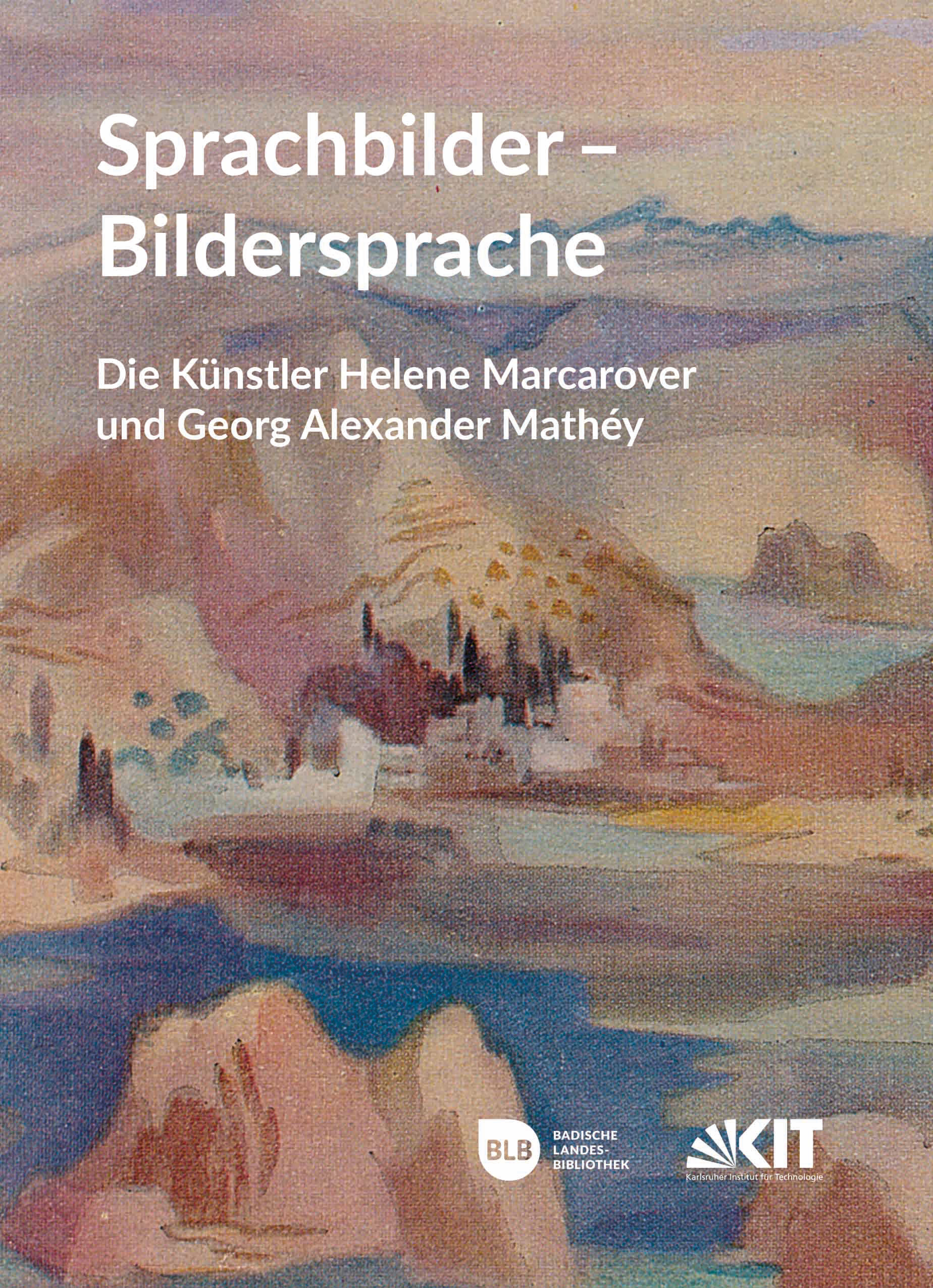
The Badische Landesbibliothek in Karlsruhe (BLB) has held a large part of the estate of painter and writer Georg Alexander Mathéy (1884-1968) since 1993. In 2017, the BLB organized an exhibition, titled Sprachbilder – Bildersprache: Die Künstler Helene Marcarover und Georg Alexander Mathéy, to showcase the works of Mathéy together with those of another artist, the painter and poet Helene Markarova (1904-1992). Both artists, whose work was shaped by the two wars, by migration and alienation, were able through literature to transform images into words, and vice versa. A wonderful accompanying publication provides insights into Mathéy’s life and creative work (Axtmann – Stello 2017).
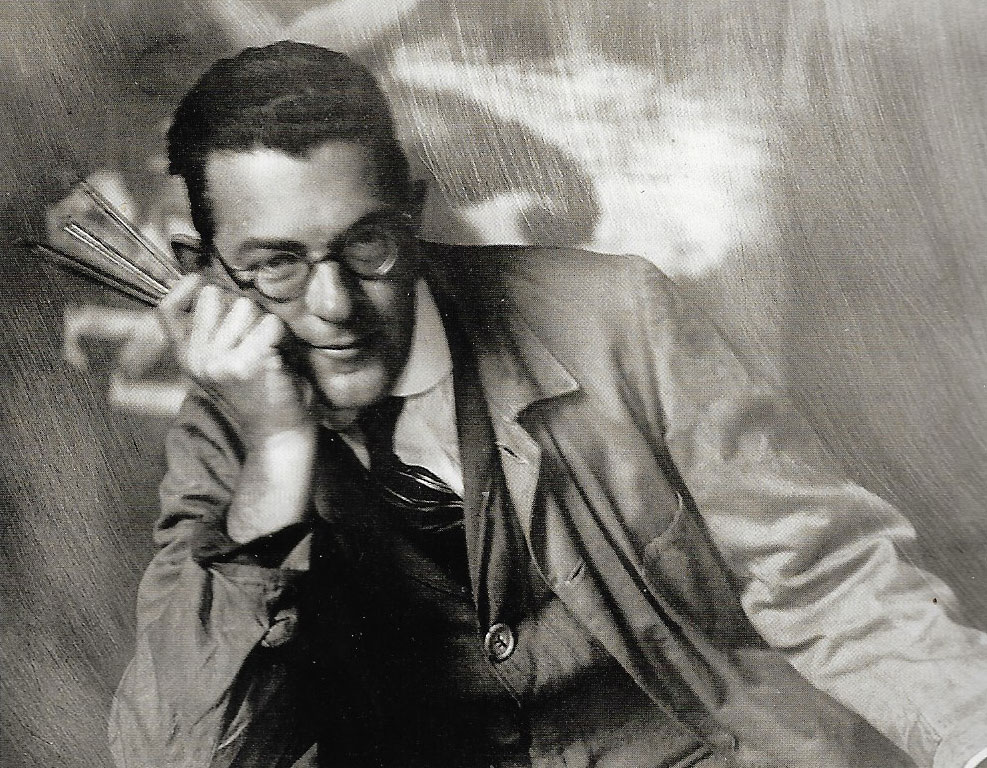
Trained as an architect in Budapest, Mathéy made his name as an illustrator of numerous books and magazines, achieving commercial success already at a young age. He also designed stamps, textiles, and a Rosenthal coffee service. Two of his stamp designs are still remembered today because of their intense colors and memorable motifs: the “bricklayer” (1919) and the “post horn” (1951). They can be described as classics of German stamp design.


In addition to this modern, highly reductivist formal language, Mathéy also mastered other, more traditional media, primarily in his large-scale watercolors and oil paintings.
I became interested in Mathéy’s largely forgotten contribution to the 1936 Summer Olympics in Berlin. The starting point is material from the archives of the BLB, which provided new and important information about Mathéy. (I would like to thank the director of the BLB, Julia Hiller von Gaertringen, for her interest and active support in my project. A detailed German version of this article can be found on the BLBlog.) Further information can also be found in an unpublished research paper on Georg Alexander Mathéy, which the designer Ulrike Jänichen completed in 2003 under the direction of Professor Mechthild Lobisch at the Burg Giebichenstein Kunsthochschule in Halle. She kindly made her work available to me.

 From the Archivist's Notebook