Celebrating Christmas and New Year’s in Athens, 1895-96: From the Letters of Nellie Reed, Student of the American School of Classical Studies at Athens.
Posted: December 31, 2024 Filed under: Archaeology, Archival Research, Biography, Greek Folk Art, History of Archaeology, Modern Greek History, Philhellenism, Uncategorized, Women's Studies | Tags: American School of Classical Studies at Athens, Benjamin Ide Wheeler, Charles Edward Prior Merlin, Eben Alexander, Merlin House, Nellie Marie Reed, photography, Wilhelm Wilberg 8 Comments
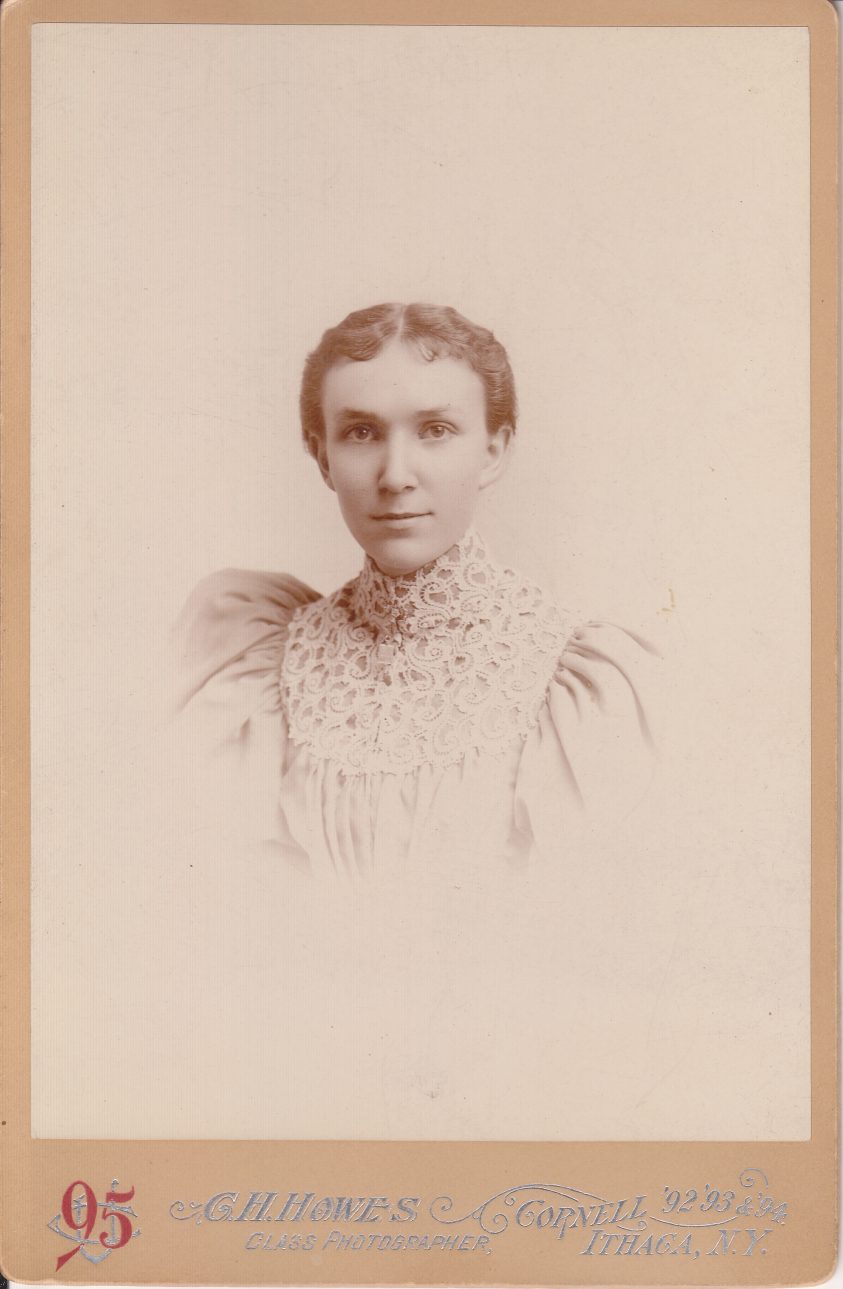
“The American in Athens at Christmas time has a distinct advantage over the rest of mankind for each of his holidays is multiplied by two. He must of course celebrate the day the dear ones at home are enjoying and he is equally desirous of helping the Greeks in their festivities. The heading of his letter, Dec. 25, is contradicted by the postmark Dec. 13, much to his confusion until he finds that in Greece Father Time lags twelve days behind his record in other lands. But one is inclined to doubt even that date, so different is the approach of the sacred festival. Windows flung wide open admit the warm southern sunshine. A walk along the streets is rewarded by glimpses into gardens full of orange trees hung with golden fruit and rose trees covered with fragrant blossoms,” wrote Nellie Marie Reed (1872-1957) sometime in early 1896, after having spent a year at the American School of Classical Studies at Athens (ASCSA or the School hereafter).
She was referring to Greece following the old (Julian) calendar, as did other eastern Orthodox countries in the 19th century. Christmas was celebrated on January 6 and New Year’s on January 13. The Gregorian calendar was adopted in Greece only in 1923. (See “An Odd Christmas” or the “Christmasless Year of 1923” in Greece .)
A graduate of Cornell University, Nellie attended the School in 1895-1896. We are fortunate to have in the School’s Archives the letters she sent to her family because they contain valuable information about her Greek experience. They were my main source of information for an essay exploring the close relations between the American School and the German Archaeological Institute in the late 19th century (On the Trail of the “German Model”: ASCSA and DAI, 1881-1918). Without her letters we would not have known that these relations were not limited to an official level but extended to informal, social gatherings between members of the two schools (the so-called “Kneipe” evenings); members of the Austrian Archaeological Station (not yet an Institute) were also part of these meetings.

 From the Archivist's Notebook