Do I Really Want to Be an Archaeologist?
Posted: July 7, 2024 Filed under: Archaeology, Archival Research, Biography, Book Reviews, History of Archaeology, Mediterranean Studies, Modern Greek History, Philhellenism, Uncategorized, Women's Studies | Tags: American School of Classical Studies at Athens, Archaeology, Athens, College Year in Athens, Eugene Vanderpool, Franchthi Cave, greece, History, Karen D. Vitelli, Porto Cheli Project, travel 13 CommentsThe first time I heard her name was in 1986 at Tsoungiza, Nemea. I had just been awarded a Fulbright fellowship to go to Bryn Mawr College for graduate school. James (Jim) C. Wright, one of the cο-directors of the Nemea Valley Project and a Fulbright fellow himself extended an invitation to me, Alexandra (Ada) Kalogirou and Maria Georgopoulou, the other two Greek Fulbrighters, to join the excavation, as a way of becoming familiar with the American way of life and education system. Ada was going to go to Indiana University to study Greek prehistory with Thomas W. Jacobsen (1935-2017) and Karen D. Vitelli (1944-2023).
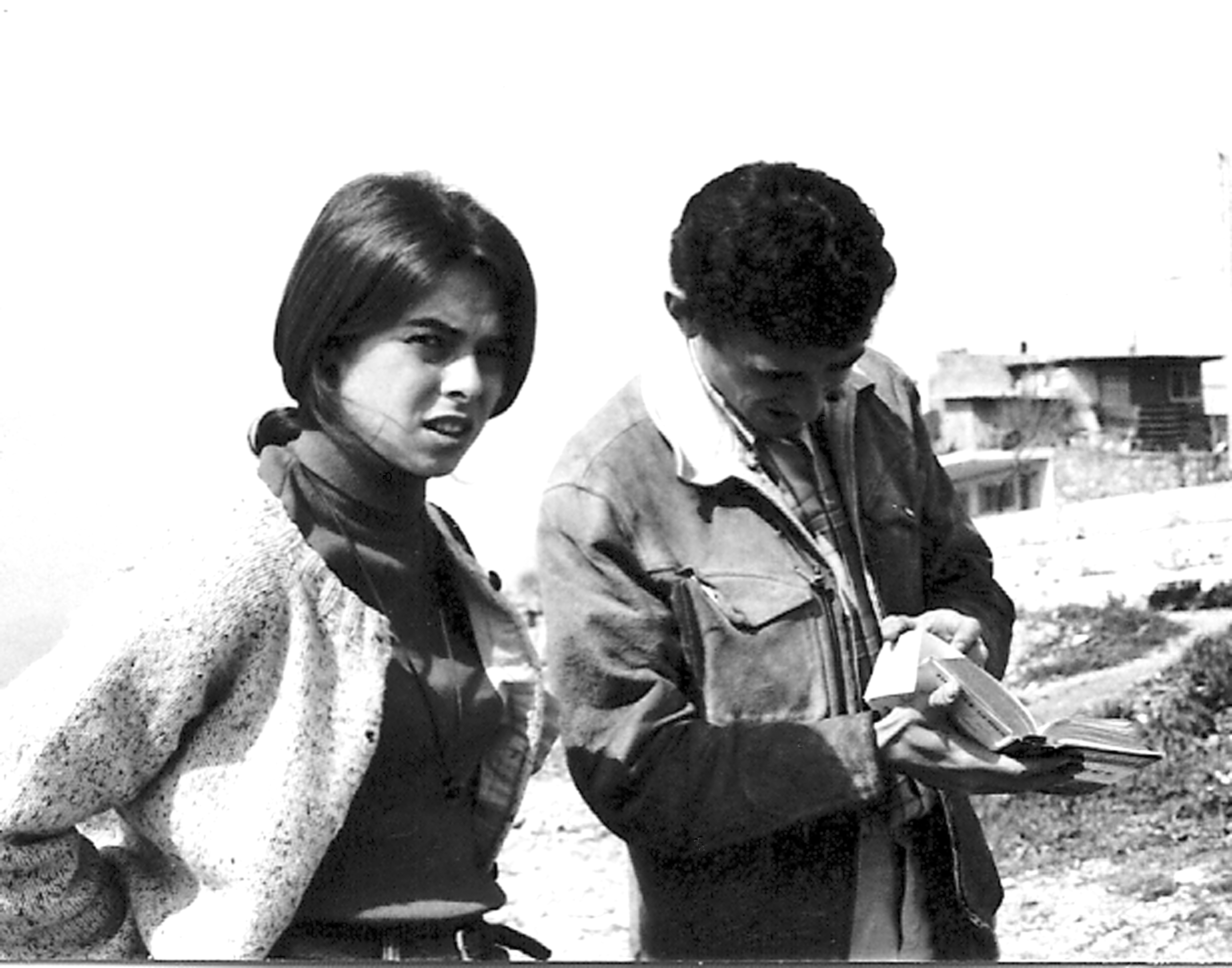
I must have heard about Vitelli on and off over the next 10-15 years, but I never met her in person. I didn’t even know what she looked like. Then, in 2010, as I was preparing an exhibition to celebrate the 130th anniversary of the American School of Classical Studies at Athens (the School, hereafter), I sent an email to various people asking for photos from the time they were students at the School. Stephen (Steve) G. Miller, former director of the School and a student at the School in the late 1960’s, sent me a few. One of the photos showed a tall, slim, dark-haired woman, who made an indelible impression on me. Several years later (2013), Kaddee (as she was known to nearly everyone) appeared at Mochlos together with her friend, archaeologist Catherine Perlès, at a wedding party for Tristan (Stringy) Carter, as guests of Tom Strasser, her former student. (By then Vitelli was Professor Emerita of Archaeology and Anthropology from Indiana University, Bloomington.) That was the first and last time I saw her in person.
Becoming: Bert Hodge Hill, 1906-1910 (Part I)
Posted: January 1, 2024 Filed under: Archaeology, Archival Research, Biography, Crete, History of Archaeology, Mediterranean Studies, Modern Greek History, Uncategorized | Tags: Archaeology, Athens, Bert Hodge Hill, europe, George W. Elderkin, greece, James R. Wheeler, Kendall K. Smith, Mochlos, Richard Berry Seager, Theodore W. Heermance, travel 10 Comments
The re-discovery of a small cache of old photos depicting students at the American School of Classical Studies at Athens (ASCSA or School hereafter) from 1907-08 inspired me to write about the first years of Bert Hodge Hill’s directorship at the School. [1]
The photos depict four men and one woman: George Wicker Elderkin (1879-1965), Kendall Kerfoot Smith (1882-1929), Charles Edward Whitmore (1887-1970), Henry Dunn Wood (1882-1940), and Elizabeth Manning Gardiner (1879-1958). Of the five, Elderkin, Smith, and Wood were second year students at the School. In 1908, Elderkin, who already held a PhD from Johns Hopkins (1906), succeeded Lacey D. Caskey as Secretary of the School, a position he held for two years (1908-10). Smith came to the School in 1906 holding the Charles Eliot Norton Fellowship, established by James Loeb in 1901 for Harvard or Radcliffe students. Wood, a trained architect with a BS in Architecture from the University of Pennsylvania, was the second recipient of the Fellowship in Architecture (1906-08) that was funded by the Carnegie Institution in Washington.
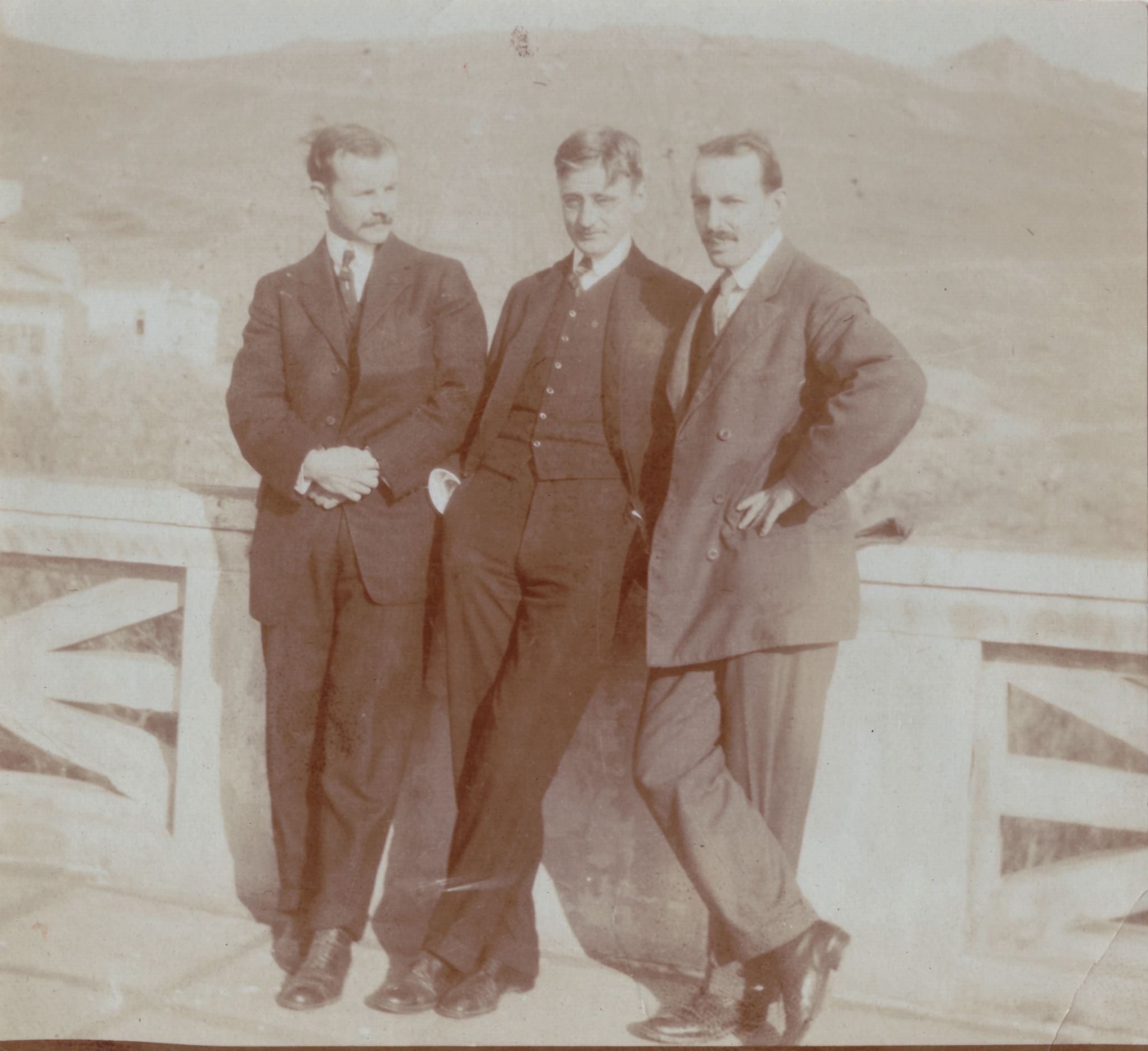
Of the new students, Whitmore, another Harvard man, was the Charles Eliot Norton Fellow for 1907, and Gardiner, the only woman in the photos, was a graduate of Radcliffe College (1901), with an MA from Wellesley (1906), and a recipient of the Alice Palmer Fellowship that supported female students.
Read the rest of this entry »
 From the Archivist's Notebook